
Choose what’s true for you:
A) It makes complete sense to teach/focus on editing and proofreading after the craft lessons.
B) I wish my students’ writing were rid of niggling errors in basic conventions, especially the ones I have already taught.

Choose what’s true for you:
A) It makes complete sense to teach/focus on editing and proofreading after the craft lessons.
B) I wish my students’ writing were rid of niggling errors in basic conventions, especially the ones I have already taught.

I’m very happy that my idea of creating Embarrassment Free Zones resonated with many teachers and students. My goal in this post is to establish that there are situations when Free Zones won’t work. Yes, that’s right.

If you’ve ever taught a bunch of self-conscious middle schoolers, you know that adolescents are perpetually embarrassed about anything and everything. You also know that they don’t just “get over it” when they realize that embarrassment is an impediment to their learning. In that state of biological and emotional upheaval, the rational voice (even when it exists) is drowned in the fear of embarrassment.

Most struggling students have found themselves failing, and many of these experiences of failure become foundations to future embarrassment. This, then, becomes a huge deterrent to learning when the student begins to default to maladaptive coping mechanisms that serve them at the moment but are detrimental in the long term.

Far from admitting to a teacher, many of my students don’t want to admit to themselves that they’re struggling with something. They prefer not knowing, passing, and faking their way out of a task to the sheer torture of the confession of their struggles.
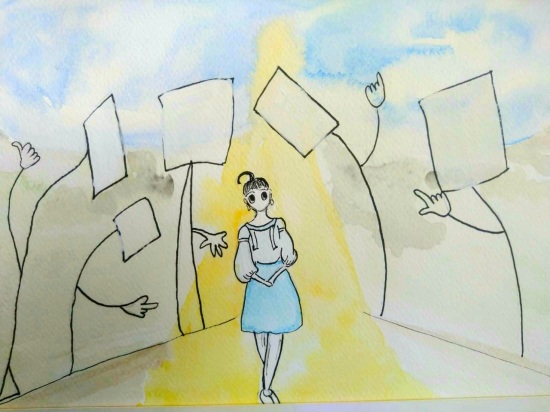
On being asked if they would risk being stigmatized so that they move forward in their learning, the majority of the students said, “Yes, I would.” How many times in the last week/month had they taken such a risk? “Almost never,” they admitted. Even though students may be consciously aware that they must put their learning over their fear of stigma, very few are able to do it at the moment it matters. Isolation and ridicule are scary, especially during the teen years when the need to belong is paramount.
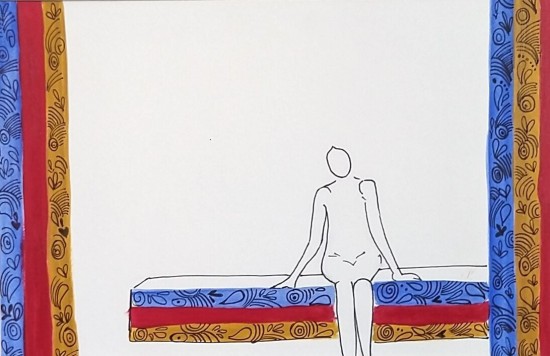
When we know we’re not alone, writing (and life) can be a little less daunting.

Through all the unprecedented changes the pandemic has brought into our classrooms, something that hasn’t changed and is highly unlikely to change is, how, despite seemingly perfect external conditions, the inner condition of the writer affects their writing.
This ready-to-use mini grammar unit aims to provide a framework for the student to systematically learn and use articles in their spoken and written English. Slides included.

“..most long term plans address curriculum, a few good ones address pedagogy; but, most don’t address the single most important data point: what we know and don’t know about ourselves and our students.”
 moving writers