
I humbly suggest an alternative analogy for generative AI, more fitting for the classroom: the microwave.
And to help me elaborate on this analogy, I want you to meet my mom.
Category: curiosity

When AI Wrote the Essay: Four Strategies for Addressing AI Cheating with Students
What can we say to students when they turn in writing that was clearly manufactured by AI?

Teaching Game Design for Hope
I’ve been thinking about hope lately. It’s winter here in New York City. There are certain things about the season here that feel hopeful: the smell of Christmas trees on some street corners where lots have popped up, the twinkle of lights along the railings of brownstones, and even some of the neighborhood dogs have […]
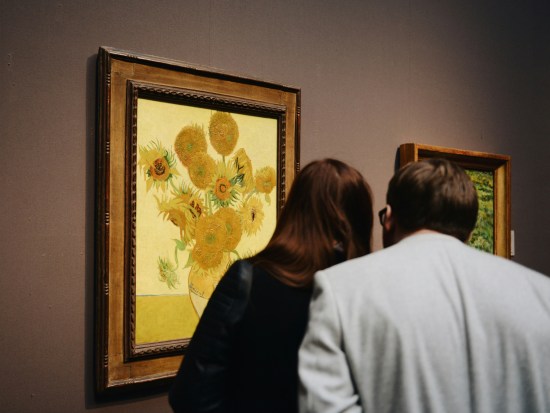
A New Tilt on Art Can Spark Earth Day Conversations
Planning for Earth Day conversations can give educators pause. In the attempt to create a sense of urgency for climate action, we might decide to subject our students to a parade of dire statistics. This onslaught of information can have the opposite effect: instead of moving students from inaction to action, we can inadvertently move […]

Better Questions . . . Better Classrooms
Questioning strategies are a passion of mine. I’ve been doing some research into what academics call dialogic talk and what teachers call questioning for the better part of 25 years. Thinking about your classroom, I want you to consider the layered and nuanced dimensions purposeful questioning can take in your classroom. First-Write Them Down Do […]

Poetry Throw-Down
by Kelly E. Tumy It’s my birthday today, so I thought I’d post one of the most favorite lessons I taught-ever! It really started out not as a lesson, so let me explain. I do love poetry; it took me a while to develop a good way to teach it to any grade level, though. […]

AI Meets AP: A Collaboration Between Top Writers and ChatGPT
Like most English teachers, my AP Literature and Composition students have a special kind of scorn for AI writing. And it makes sense: They are some of the most skilled writers in the school, and likely they feel threatened by technology that claims to replicate the skill that helped propel them to academic success, often […]
The Benefits of Writing 9: Exploring and Expressing Enthusiasms
For those students, taking any spark of enthusiasm they show and fanning it to a flame, and helping it spread to other possible enthusiasms, becomes one of my goals.

Google Games: 3 Quick Tips for Helping Kids Level Up Their (Re)search
Most teachers have grand aspirations when embarking upon inquiry work with their classes, but when they get to the part where the kids actually have to find out stuff…it all comes crashing down. What if there was a game you could play with students to sharpen their Google searching skills, as well as their research […]
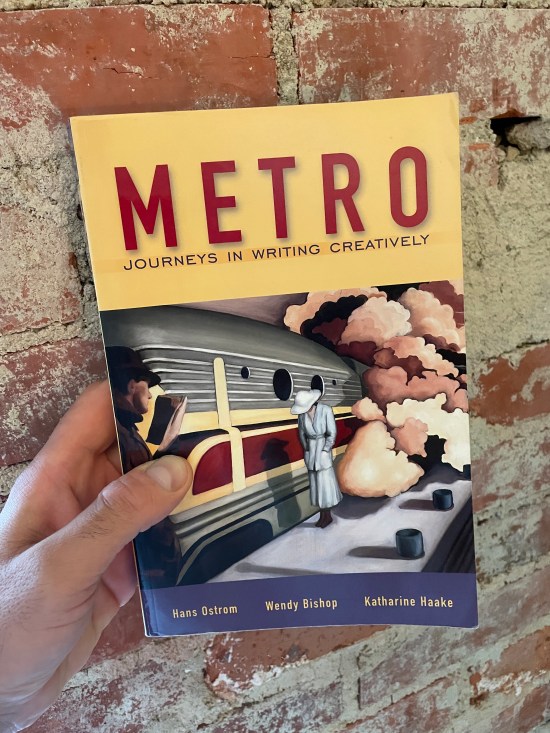
Making All Things New: Prompts for Thinking Creatively
This year on Moving Writers, I am dusting off some old-but-wise books on my shelf about writing, creating a tiny review, then considering how one passage from the book can inform writing instruction today, even decades after the book was first published. This month, I’ll consider Metro: Journeys in Writing Creatively by Hans Ostrom, Wendy […]
 moving writers