
Metaphor for the win on this last of our Poetry Pauses for Hope series.
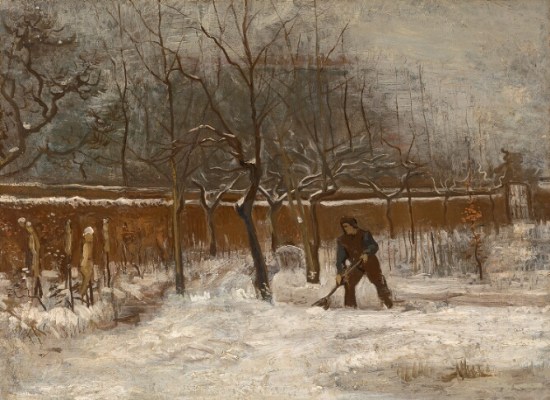
Metaphor for the win on this last of our Poetry Pauses for Hope series.
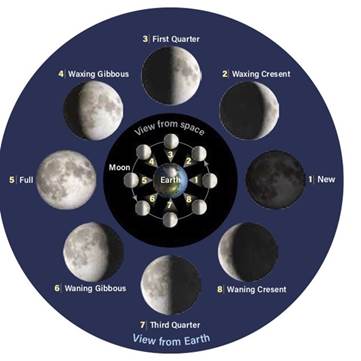
What can a new moon teach us about hope?
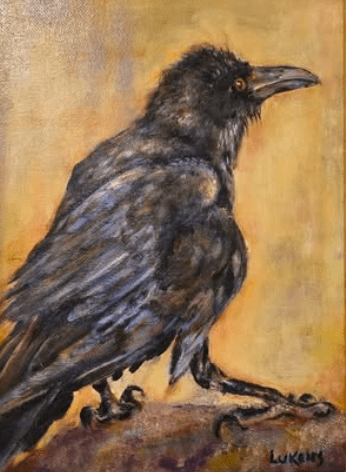
Hope can be complicated, and today’s poem explores that.
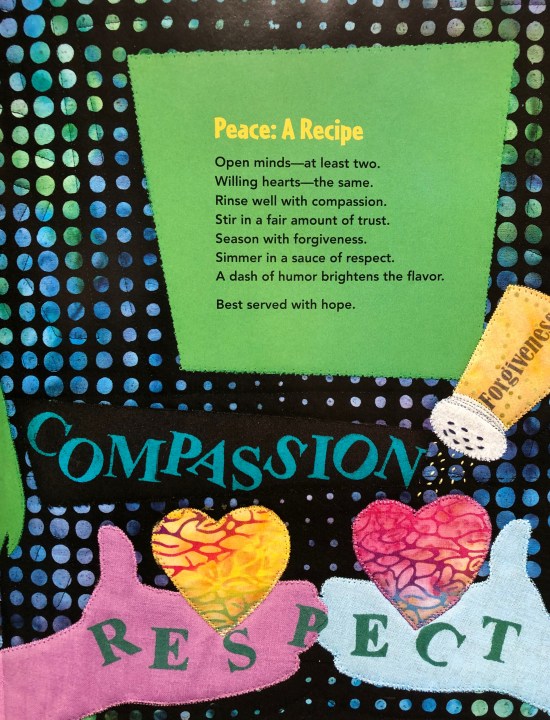
A recipe poem serves as a mentor text for students to think about what hope requires.
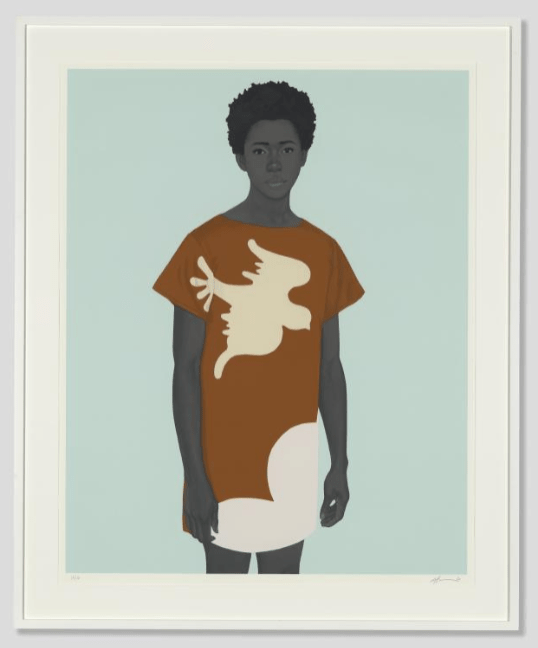
A fresh approach to Emily Dickinson’s “Hope is the thing with feathers
I’m a frequent teacher, sometimes poet and occasional gamer. Once in a while, these identities collide. One such collision produced what I’m sharing today: Explicate, The Poetry Analysis Card Game. Before we get into the details, let me say, this is free to download and use here. But, if for some reason, you want to […]
Use nature as your guide for writing. Come join Abigail in her beat this month which offers ways to get involved in the beloved Write Out event going on– and ideas to spark your students writing all year long.
There are so many wonderful eclipse resources out there but this month I wanted to put a resource in your hands of some pretty beautiful writing that you can invite in your own classroom. Being that it is April, what a time to celebrate our beautiful nature with poetry. And while nature is doing […]

This year on Moving Writers, I’ve spotlighted re-reads of some older books about writing, and not all of them by teachers. Together, we examined the writer’s inner life with the poet Ted Hughes, practiced memory writing with the book Metro: Journeys in Writing Creatively, and honed our questions for conferring with the wonderful Barry Lane. […]
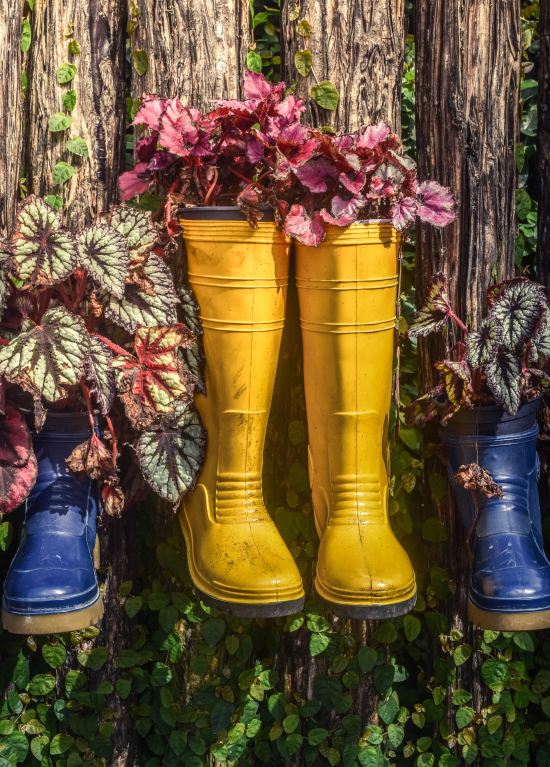
Placing Maggie Smith’s “Good Bones” and Craig Santos Perez’s “Good Fossil Fuels” side by side can elicit a wide-ranging classroom conversation about the ways the climate crisis is downplayed. Through describing points of convergence and divergence, students can ponder how the “recycled” aspects of Smith’s syntax and prosody appearing in Perez’s poem challenge their thinking […]
 moving writers