
Mentor Text: Tuning In by Rick Rubin
Techniques:
- Introduction
Background –
When you’re talking to friends, and that old hypothetical classic, “What would you do if could have any career in the world?” comes up, I’m pretty boring. There’s not much I think I want to do except what I do. I know it’s cliched to call teaching a calling, but I really enjoy what I do, and though there are elements of this career that I think may send me screaming over the brink, I can’t imagine doing much else.
That’s why books like Rick Rubin’s The Creative Act give me such joy. I picked it up, thinking I’d get some insight into one of the minds behind some of the greatest albums in my collection, and some peeks into the kitchen while they were being cooked up. That last part wasn’t really there.
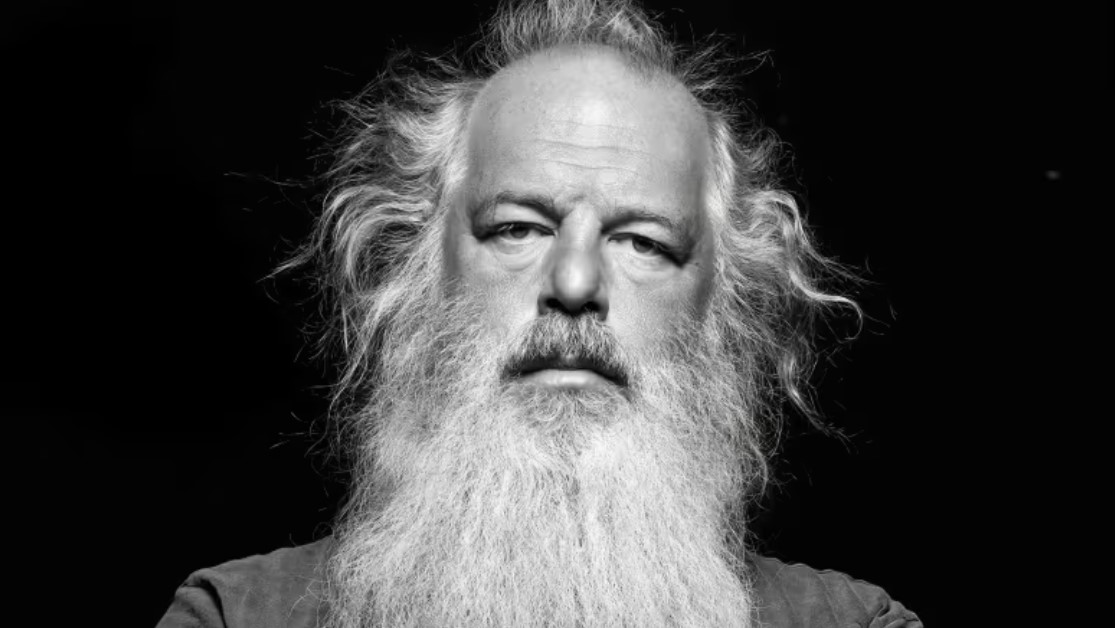
But what is there is a fantastic meditation on creativity. And as someone who sees our work in a classroom as a creative act, I was enthralled and inspired. I know Rubin likely didn’t intend this to be a book making the rounds of teacher professional development, but I think it has a place there for sure.
And, because it’s what I do, I found some mentor text magic to share with you.
How we might use this text:
Introduction – Rubin structured this book as a series of personal essays, musings on different aspects of being a creative person. There are so many elements of his essay work that I think would be of benefit to our writers.
On the notepad I kept beside me while I read, ‘Tuning In’ is the first piece I’ve noted, so it’s the one I’m sharing. What Rubin does so wonderfully in this piece is to creatively explore his point before he makes it.
Instead of launching straight into his topic, like many of our writers, and no small amount of others do, Rubin begins by talking about the beauty of nature. He talks about how humans create great works of art. He quotes the Book of Ecclesiastes, or Pete Seeger, depending on your leanings.
And then, he drops the thesis of this essay, that creative people tune into the rhythms of the worlds, the cycles of nature and man for inspiration. But he’s so wonderfully modelled how this works by creatively expressing this point before explicitly making it. It’s a masterful introductory move, because you’ve likely picked up on the idea before he states it, and it’s actually been argued through this creative introduction.
My take on this may be influenced by a recent deluge of work that either got to the point so bluntly, or abandoned the mention of a point altogether, but I really love the very practical creativity with which he introduces this idea before he launches into the more didactic elements of the essay.
And even when it gets more didactic, the creative elements of his introduction inform that writing too.
My notebook also tells me that I feel like Rubin’s ‘Tuning In’ is inspirational. Although we might be looking at it specifically for the mentor text moves, it also offers us a suggestion – to look for the inspiration around us, and to harness it as we express ourselves. Not a bad message for our writers, and a pretty good one for us as teachers as well.
What are your best mentor texts for introductions for personal essays? What are your favorite books about teaching that aren’t really about teaching?
Leave a comment below or find me on Twitter @doodlinmunkyboy!
 moving writers