
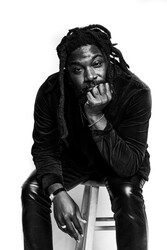
Mentor Text: Ten Things I’ve Been Meaning to Say to You by Jason Reynolds
Techniques:
- Considering Audience
- Voice
- Varying Paragraph Length
Background –
Sometimes, discovery of a mentor text is a second hand thing. I assume that folks reading these posts of mine are taking the things I’ve shared and are doing really cool things with them that I’ve not thought of.
Resources such as Moving Writers are so wonderful because you’ve got a wonderful colleague who isn’t just down the hall sharing “take it into class tomorrow” style material. (I know when I felt like I didn’t have the colleague right down the hall, my online PLC was indispensable!) Though the platforms where teacher communities are connecting have changed, there are a number of newsletters that make their way to my inbox. One that’s been valuable in my room this year are the things that Jarred Amato has been sharing.
Amato’s committed to giving us a very detailed look into his classroom, and I am here for it. I’ve used things he’s shared to remix a handful of things in my classroom in the first month of school. If you already subscribe, or follow his blog, the mentor text from one of our faves, Jason Reynolds, was new to me, and aligned wonderfully with some things we were planning for our Grade 12 students.
How we might use this text:
Considering Audience – As our provincial English Teachers’ Association has invited Liz Prather to present at our annual PD Day, I crafted a short pursuit about writer confidence to start the year, inspired by her book The Confidence to Write. (I’d recommend her email newsletter as well!) This Reynolds piece was a nice fit for our first bigger, yet still low risk writing task.
Following the model that Amato shared when sharing this text, I made writing about oneself as a writer one of the required “things” in the writing task, connecting it to the focus of our unit. Before we wrote, we discussed that we were able to choose our audience. Some students wrote this as a letter to me, letting me know some things they felt I needed to know about them. (Our larger course theme is related to identity.) Others chose to write the piece as a letter to their younger selves. Working in a smaller school, I have a relationship with most of these students, so if they were writing to me, or writing to themselves, they were writing to a familiar audience. This had a positive impact on their pieces, for sure.
Voice – This consideration of audience, I feel, made an impact in the strength of voice that came through in many of the pieces I received. My writers that chose to write to their younger selves seemed to be especially confident in their expression. They were reflective and open, talking to an audience they knew well.
Varying Paragraph Length – I can’t be the only teacher who has writers who have locked in a handful of core beliefs about writing they picked up somewhere before they got to our high school. One of those is that there is a set number of sentences that make a paragraph. (Apparently, it’s five.)
I love that this mentor text shows that varying the length of paragraphs makes an impact. The short paragraphs that Reynolds includes would have so much less impact were they to be longer. I think showing our writers how some ideas need more explanation than others is empowering for them. Wouldn’t it be a wonderful transfer of a writing move if they started really considering the lengths of their paragraphs every time they write?
Between trying to find a new model for online teacher talk and maintaining zero inbox this year, I’ve actually been digging deeper into the various newsletters that roll into those inboxes. The folks who share online are so generous, and I’m glad I have a place to share as well.
What does your online teacher community look like? What are the “must subscribe” sources that inspire you?
Leave a comment below or find me on Twitter @doodlinmunkyboy!
 moving writers