
Mentor Text: from The Staircase in the Woods by Chuck Wendig
Techniques:
- Introduction
Background –
I’ve really gotten back into horror the last couple of years. I’ve reclaimed my status a Constant Reader, (IYKYK) and been exploring the wonderful crop of new (and new to me) voices within the genre.
The horror folks are eating well these days.
Chuck Wendig has been a favorite writer for a while now – from his horror work, to his Star Wars novel trilogy to his wonderful middle years horror that I read with my daughter, he’s become a must read for me. (I also recommend his book about writing, Damn Fine Story, which I need to revisit to pull some lessons from for my writers.
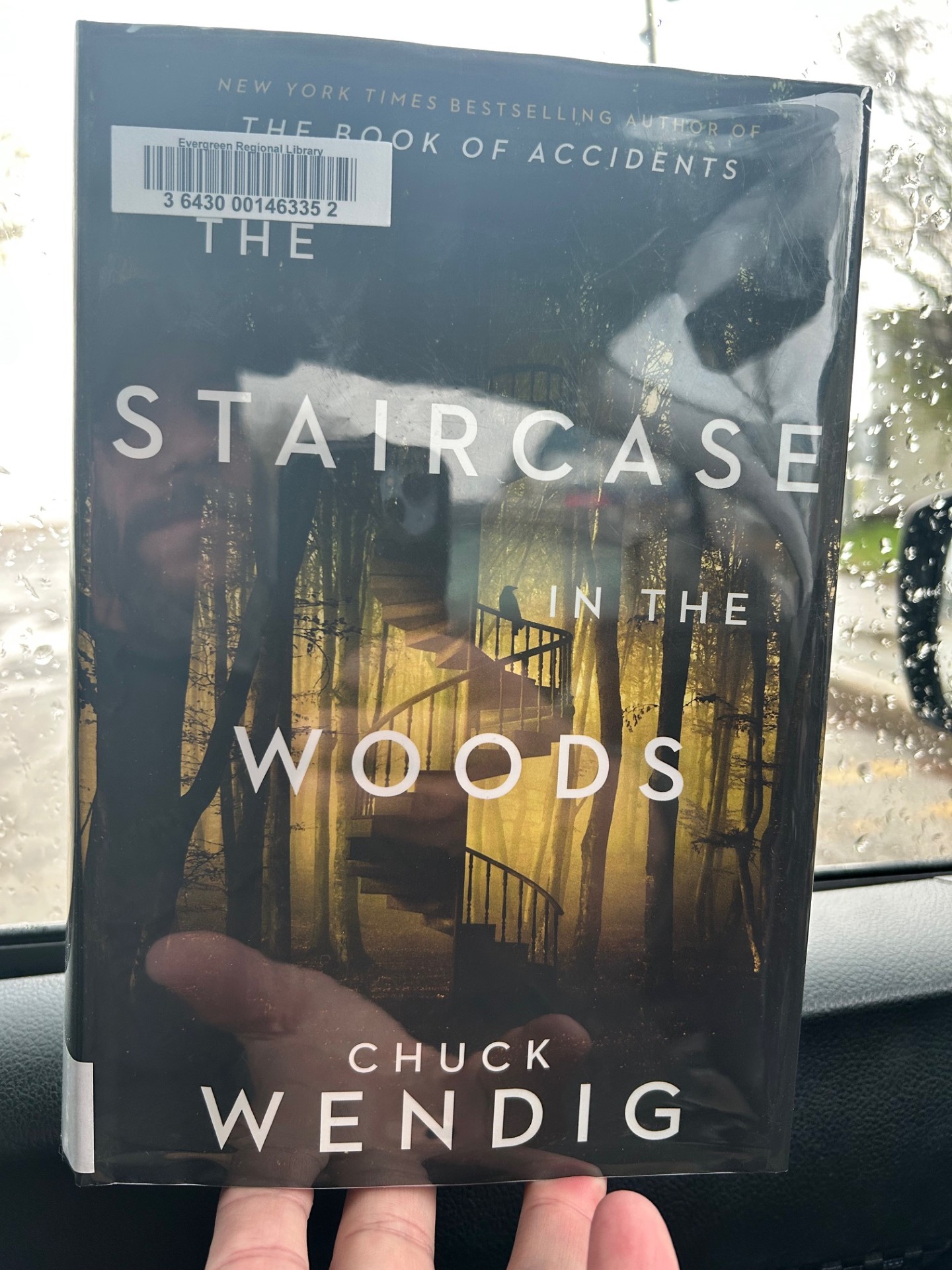
His most recent horror novel is The Staircase in the Woods. I enjoyed it immensely, and, as an added bonus, I found an excerpt to share here.
How we might use this text:
Introduction – Though this excerpt is pulled from later in the book, I feel like it might be beneficial to us as we explore ways to craft introductions in our work.
It is an introduction, technically, as it appears as we’re being introduced to the house that is at the end of the titular staircase.
One of the things that I think our writers might appreciate is the way that Wendig anchors his introduction of the house with a well known saying – “Home is where the heart is.” We’ve seen (too) many of our students striving to anchor their introduction in a quote that has relevance. Sometimes, they make the connection to their thesis clear, but often, they assume that just including the quote does that heavy lifting for the reader. They don’t always make that connection specific and purposeful.
In closing with the quote, Wendig puts his context in place before the quote is included. Though it may read purely an act of syntax, this sets the reader up, giving them context to establish the resonance of the chosen quote.
And it is in the craft of his writing that Wendig really delivers on this in a way that might serve our writers well. He explains, artfully, how a house becomes a home, clarifying the difference between a house and a home as he goes. Though Wendig follows this by explaining something of a supernatural nature, this passage could easily work well at the beginning of a personal essay about one’s home. It might also sit nicely at the beginning of a research essay about home ownership.
Now that our department has codified many elements of the essay writing process for our writers, I often find myself looking for ways to expand students’ craft, hopefully guiding them to better writing. Part of this work as been pulling together good mentor text s for elements like introductions, or conclusions, or, in all honesty, any part of writing that they could easily improve upon by writing beside mentor texts.
Polished drafts of these assignments are making their way into my inbox this week, and I should have a full set to mark by Friday. The writers who’ve invited me into their process are doing neat things, with narrators from the animal world, to the intoxicants musicians struggle with in their creative pursuits. I love the happy accidents that reading widely bring into my classroom via mentor texts.
What are your best mento texts for introductions? What great texts have you found a place in your classroom for that may not be the obvious choice, like my various horror pulls?
Leave a comment below or find me on the socials as @doodlinmunkyboy.
 moving writers