
Mentor Text: “U” excerpted from The Alphabetical Diaries by Sheila Heti
Techniques:
- Exploring a gimmick in writing
- Writing within constraints
Background –
Although I’m largely an analog reader, I can’t deny the allure, and ease, of reading digitally. Especially using a library app like Libby. I’m lucky enough to have a pair of library cards active in my Libby account, and I find myself perusing the shelves in them, placing holds like a madman.
Lord help me on the days all those holds roll in.
The best part of library reading though is the freedom it grants you as a reader. If the book doesn’t work for you, you’re don’t feel like you’ve wasted your money. (And when I was looking at all the things that I wanted to read over Spring Break, figuring I could use my birthday to justify a new book or two, I felt a bit surprised that the price of books had taken another jump. A $42 hardcover feels… a bit much.)
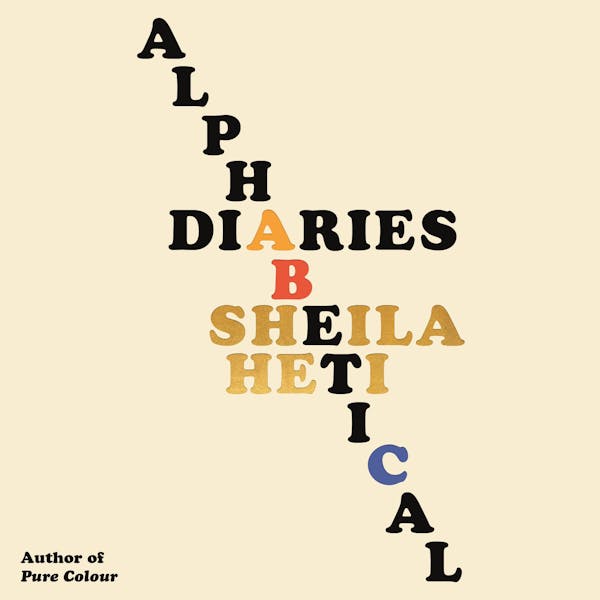
A couple of weeks before the break, I was able to take a chance on Sheila Heti’s Alphabetical Diaries. I loved the concept. She digitized her diaries, and then edited them, using alphabetization to organize a memoir. It was, admittedly, a bit of a slog at times, and although there were many passages that I couldn’t bring into the classroom, I still felt like there’s some great mentor text potential in this text.
How we might use this text:
Exploring a Gimmick in Writing – At times, it feels like we ask students for a lot of the same kinds of writing. Yes, we have purposes behind the things we ask them to write, but I think at times we all find it repetitive. There might be something in having students explore writing with a gimmick, like the one Heti uses.
I envision something a bit more organic than Heti’s digitization of existing lines, instead having students write using a given letter, and continuing the rules of alphabetization as they write. Although it doesn’t show up in the excerpt I’ve shared, this sometimes means that they wind up with repeated “stems” at the beginning of a series of sentences. Obviously, this creates some nice anaphora, but it could also create some neat contrasts too. A series of sentences starting with “There is…” could be followed by a series of sentences starting with “There isn’t…”
Conversely, this might also show them that writing, and sticking to a gimmick presents challenges as well. Once they’ve established a rule, they need to stick to it.
Writing within constraints – As fun as it could be to explore the conceit of this alphabetical writing, it might also give us a chance to present the challenges of writing within constraints to our writers. Though we mostly focus on things like word count as constraints for our writers, a gimmick can present new challenges for our writers. Figuring out a way to make things work, and getting through the frustrations constraints can present could be valuable.
And, if we used these constraints in an early draft, but relaxed them for subsequent drafts, then maybe our writers may find their voice, their path to addressing the topic they were tackling with the constraints.
Finally, I know that often, our most dedicated writers have some constraints they put upon themselves. While it may be hard for them to question their own decisions, if we make the decisions for them, and force them to explore our constraints, they may be able to use that challenge as inspiration to reflect upon their own practices.
I feel that often, I see writers doing things that are interesting, but perhaps unsustainable at the length that they work with. Heti’s book is an example of this. However, I think it’s important to show our writers the risks that some authors take. Through looking at these, we may find our own inspirations, as well as a path to questioning our practice as writers.
Have you done any cool gimmicky writing with your students? What mentor texts have you used for this?
Leave a comment below or find me on Twitter @doodlinmunkyboy!
 moving writers
This reminds me of Encyclopedia of an Ordinary Life by Amy Krouse Rosenthal, which I love to use with my students.