
Mentor Text: Lamb by Eric Hoffman
Techniques:
- Memoir
- A pointed non-sequitur
Background –
It’s the last week before the holiday break.
It’s Winter Concert, Christmas Party, final practices before the break week.
And my Grade 12 students write a Provincial Exam the week we get back, so we’re prepping for that.
There’s a lot on my plate right now, but for moments of respite, I’ve popped open The Best American Poetry 2024 and read a couple of poems.
I’m not sure why I’m always surprised that there are amazing poems in these collections, seeing as how the title is Best American. (Planning on picking up the Best Canadian this weekend.) ‘Lamb’ by Eric Hoffman is one of those poems I’ve got flagged for classroom use.
How we might use this text:
Memoir – At some point, I should sit and organize the collection of “write about a cherished object” mentor text poems I’ve collected.
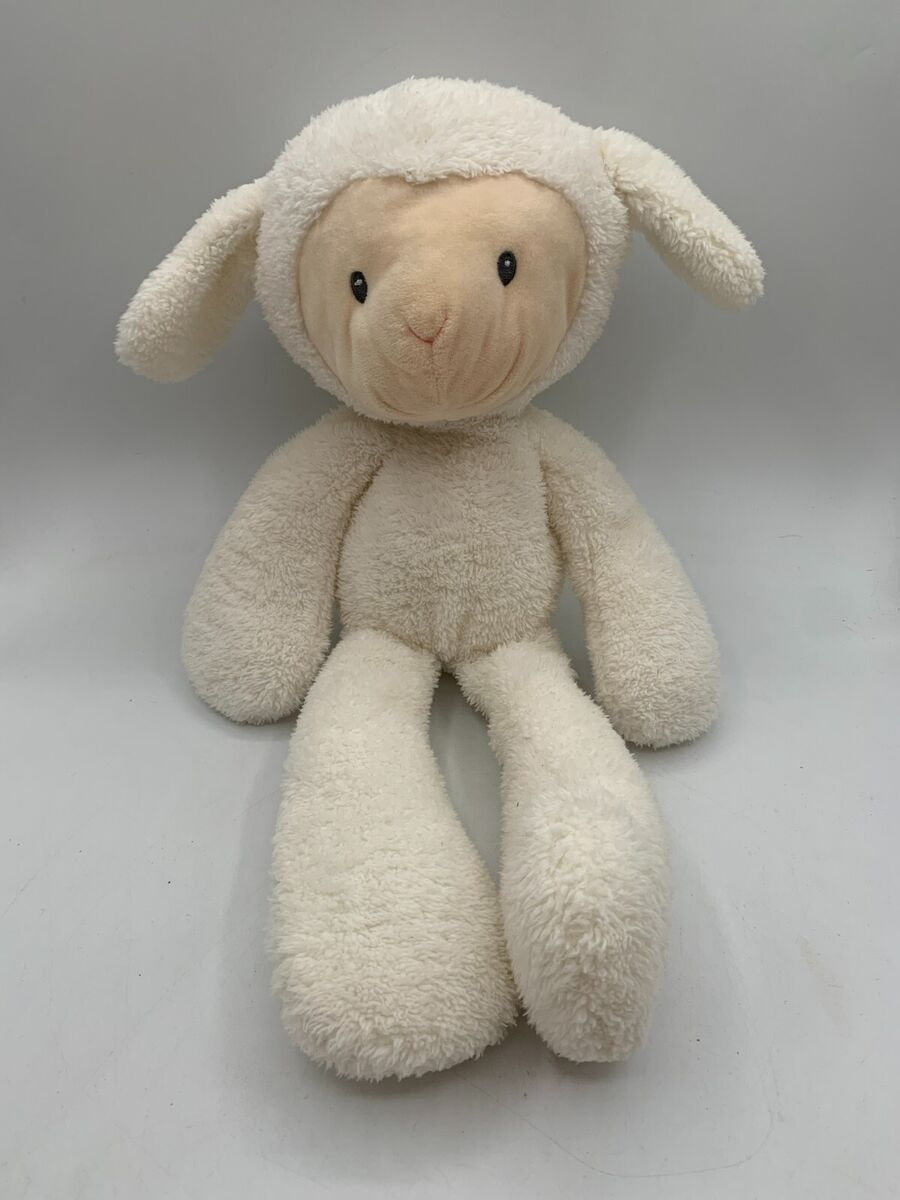
What I especially like about Hoffman’s poem is the simplistic nature of it. It simply captures the imagery. There are a few things that happened with the lamb recounted, one sort of non-sequitur, but no big statement about what the lamb represents. It’s not an extended metaphor, or a symbol. It is a thing that the speaker had, and he tells us about it.
I kind of appreciate that. Sometimes, we’re asking our writers to go deeper, to imbue these cherished objects with meaning through metaphor and symbolism. We could probably do that here, but the poem doesn’t necessarily scream that, and I think there are writers who might appreciate the lamb just staying a lamb.
A pointed non-sequitur – Of course, as I say the lamb is just a lamb, I consider what Hoffman might be doing by drawing our attention to the wait staff “stealing” his baby brother. Note that this is recounted after he tells us that he was told he’d get robbed in train stations.
At first glance, the inclusion of this information about his brother feels like a complete non-sequitur. I can hear a few voices I know well: “Why is he talking about waiters stealing his brother? I thought this was about the lamb?” Oddly enough, intentionally, or accidentally, students fire these kind of seemingly random interjections into their own writing. I love the idea of them seeing one like this, and discussing why it makes sense that this is in the poem – how this seemingly random thing the speaker tells us communicates an idea. It’s not one that we need to understand to appreciate the poem on a surface level, but when we realize he’s analyzing the way adults can send mixed messages about theft to children – something that should be feared, yet something that is, in some cases, perfectly acceptable.
Every mentor text has many things we can do with it. We see them at first glance as something that addresses a need we have, something we’ll focus on with our writers. But I find, often, as I consider them, work with them, there are other things we can do with them. And in busy weeks like this one, having a folder full of mentor texts is so valuable!
Have you got any good mentor texts about crafting a symbol? That model effective use of juxtaposition? Is there anything you’ve filed away in your notebook or Notes app that you’ve recently rediscovered?
Leave a comment below or find me on Twitter @doodlinmunkyboy!
 moving writers