
If you are a teacher of writing, you have likely sometimes felt so immersed in a book that you could see the characters walking down the street along by moonlight or hear the sounds of a bustling marketplace. The author’s use of setting details is part of what makes this happen.
Setting is more than just a backdrop; it’s an integral part of the storytelling experience. It contributes to character development, theme, and the overall mood of the story.
Too often, by secondary English classes we are talking about setting only to frame the social context of the work, often in a quick survey that contains more history than geography. We overlook that many students lack geography skills and could benefit from some physical framing of where the story unfolds on the planet.
I recently learned, when a story alluded to the starry ceiling of Grand Central Station that most of my students have never seen it, which surprised me as we live less than two hours from NYC. A YouTube video with a two-minute tour made the scene much more meaningful.
I have had this experience as a reader. Veera Hiranandani’s The Night Diary made me realize I knew almost nothing about the geopolitical history of Pakistan and India and sent me off to study some maps. Until I read Alan Gratz’s Grenade, I never really thought of Okinawa as something different from Japan. Again, I turned to maps.
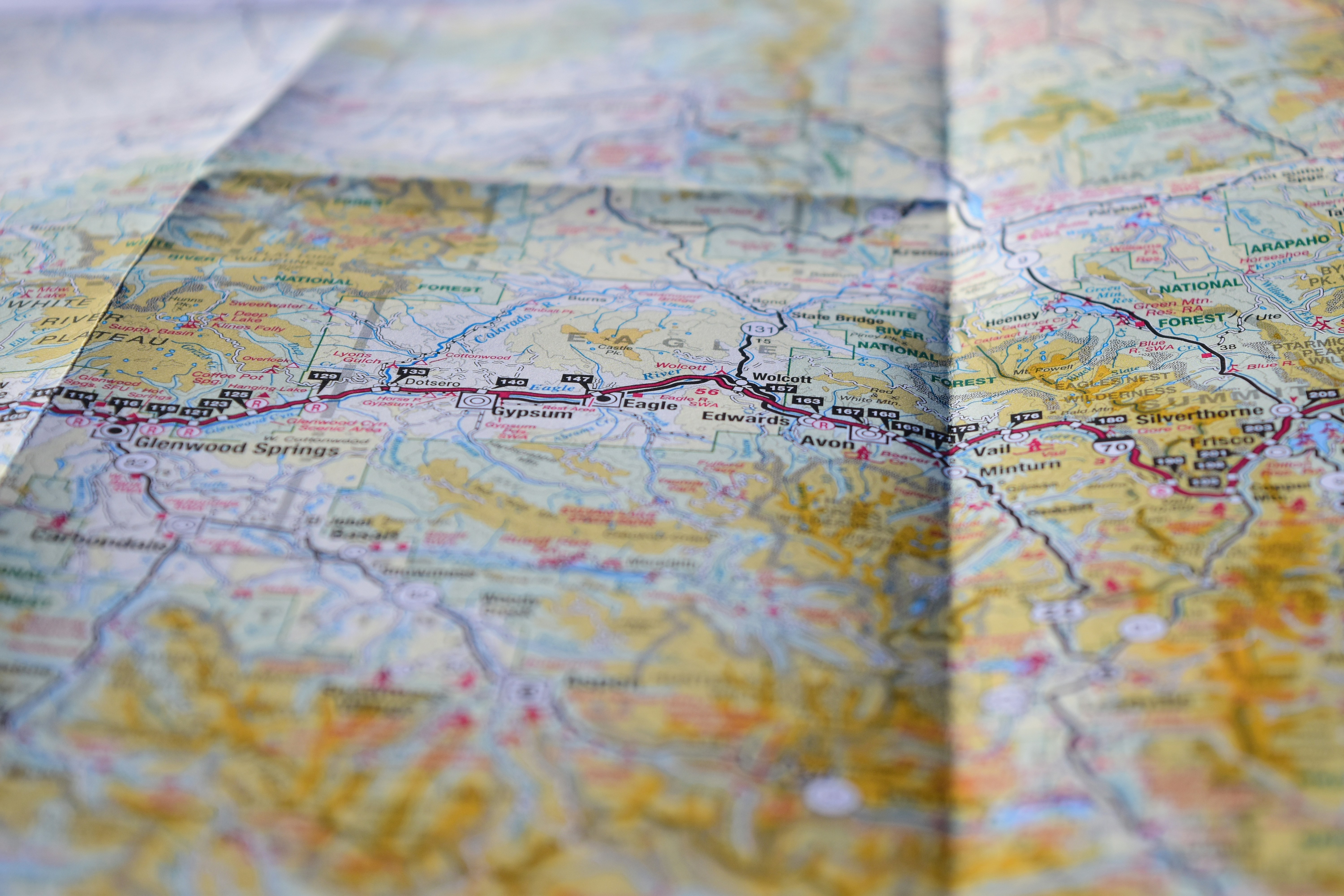
Using Google Maps to Explore Literary Settings and Expand Geographical Knowledge
Knowledge of geography has uses far beyond the English classrooms, but brief inquiry into settings in the books we read using Google Maps can help enhance our students’ understanding of their reading, give us topics for some short writing, and build background knowledge for future reading experience. It’s a triple dip!
You may need to help students initially figure out if their fictional setting was based on a real location, but a little poking around online can help. (It didn’t take my wife long to discover the several Western Connecticut villages that Amy Sherman-Palladino amalgamated to create Stars Hollow on Gilmore Girls . . . and yes, we visited, after stalking them on Google Maps!) Here are six seed ideas that incorporate setting, geography, Google Maps, and writing that you might enjoy using in your classroom.
- In a book club unit, where students are reading different titles in small groups:
- Find the (approximate) setting of your book on Google Maps. Zoom in. Zoom out. Write about two things you notice about this setting on a map that help you to understand something in the story more clearly. Read your explanatory writing out loud to your book club members.
- List three real-life, well-reviewed places the character in this story might enjoy visiting and explain in a paragraph why each of these locations would be a good fit for your character.
- In a unit where the entire class is reading the same book:
- Take a character of your choice on a day trip within a one-hour drive of the setting. Write about where they are going and why. Extension: Write a deleted scene from the book about what happens to the character in this location.
- You are a Hollywood location scout. Choose a real-life location in this town or region that might make a good filming location for a scene in the book. Write your explanation of why you are suggesting this location.
- In a unit where you are studying a novel with imaginary worlds, like fantasy or sci-fi:
- What kind of real-world location or ecosystem would make a good place on earth to film this story and why? Find a nearby municipality and write a persuasive letter that will convince the government to allow you to film in this location.
- Where has this writer lived? Poke around their town/region until you find a place that might have provided inspiration for the settings in the book. Write about why you think this real-world location might correspond to the details you read in a imaginary setting in the novel. Extension: As a class, reach out to the author with a quick note asking about what real-world locations inspired the setting they created.
 moving writers